
Understanding the Basics of Solar Power Systems
- Melt Van Schoor
- Nov 24, 2025
- 4 min read
Solar power systems have become increasingly popular as a clean and sustainable energy solution. They offer a way to reduce electricity bills, lower carbon footprints, and gain energy independence. However, understanding how these systems work and what components are involved is essential before making the switch. This article breaks down the basics of solar power systems, explaining key concepts, components, and practical tips to help you make informed decisions.
What Are Solar Power Systems?
Solar power systems convert sunlight into electricity using photovoltaic (PV) panels. These panels capture sunlight and transform it into direct current (DC) electricity. This electricity can then be used to power homes, businesses, or stored for later use.
A typical solar power system consists of several components:
Solar panels: Capture sunlight and convert it into electricity.
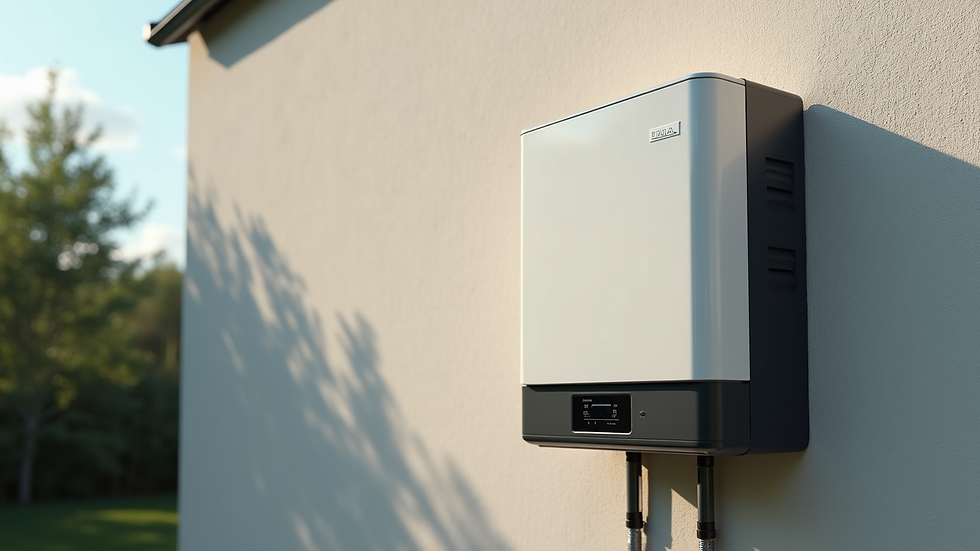
Inverter: Converts DC electricity from the panels into alternating current (AC) electricity used by most appliances.
Battery storage (optional): Stores excess electricity for use when the sun is not shining.
Charge controller: Regulates the flow of electricity to and from the battery.
Mounting system: Secures the panels to rooftops or the ground.
Solar power systems can be grid-tied, off-grid, or hybrid. Grid-tied systems connect to the local utility grid, allowing you to sell excess power back to the utility company. Off-grid systems operate independently, ideal for remote locations without grid access. Hybrid systems combine both, using batteries and grid connection for maximum flexibility.

How Solar Power Systems Work
The process of generating electricity from sunlight involves several steps:
Sunlight hits the solar panels: The photovoltaic cells inside the panels absorb sunlight.
Conversion to DC electricity: The absorbed sunlight excites electrons, creating DC electricity.
Inverter converts DC to AC: Since most homes use AC electricity, the inverter changes the DC power to AC.
Electricity powers your home: The AC electricity flows through your electrical panel to power appliances.
Excess power management: If your system produces more electricity than you use, the surplus can be stored in batteries or sent back to the grid.
Understanding this flow helps in optimizing your system’s performance and troubleshooting any issues.
Key Factors to Consider When Choosing Solar Power Systems
Selecting the right solar power system depends on several factors:
Energy Needs
Calculate your average daily electricity consumption by reviewing your utility bills. This helps determine the size of the system you need. You can also use online tools to estimate solar system size based on your location and energy usage.
Location and Sunlight Availability
Solar panels perform best in areas with abundant sunlight. Consider your geographic location, roof orientation, and shading from trees or buildings. South-facing roofs typically receive the most sunlight in the northern hemisphere.
Budget and Incentives
Solar power systems vary in cost depending on size and components. Research available government incentives, tax credits, and rebates that can reduce upfront costs.
System Type
Decide between grid-tied, off-grid, or hybrid systems based on your energy goals and grid access.
Maintenance and Lifespan
Solar panels require minimal maintenance but should be inspected regularly for dirt or damage. Most panels come with warranties lasting 20-25 years.
Benefits of Solar Power Systems
Solar power offers numerous advantages:
Cost savings: Reduce or eliminate electricity bills.
Environmental impact: Lower greenhouse gas emissions.
Energy independence: Generate your own power and reduce reliance on the grid.
Increased property value: Homes with solar systems often sell at a premium.
Low maintenance: Solar panels require little upkeep.
Additionally, solar power systems can provide backup power during outages if paired with battery storage.
Practical Tips for Installing Solar Power Systems
If you decide to install a solar power system, consider these tips:
Get a professional assessment: Have a certified installer evaluate your property and energy needs.
Compare multiple quotes: Obtain estimates from several providers to find the best value.
Check local regulations: Understand permits, zoning laws, and utility interconnection requirements.
Choose quality components: Invest in reputable brands for panels, inverters, and batteries.
Plan for future expansion: Design your system to allow adding more panels or batteries later.
Monitor system performance: Use monitoring tools to track energy production and detect issues early.
By following these steps, you can ensure a smooth installation and maximize your solar power system’s benefits.
Looking Ahead: The Future of Solar Power Systems
Solar technology continues to evolve rapidly. Innovations such as more efficient panels, advanced battery storage, and smart energy management systems are making solar power more accessible and affordable. As energy costs rise and environmental concerns grow, solar power systems will play a crucial role in the global energy transition.
Investing in solar power today not only saves money but also contributes to a cleaner, more sustainable future.
Solar power systems offer a practical and eco-friendly way to meet energy needs. By understanding the basics, evaluating your options, and planning carefully, you can harness the power of the sun effectively. Whether for a home or business, solar energy is a smart choice for long-term savings and environmental responsibility.


Comments